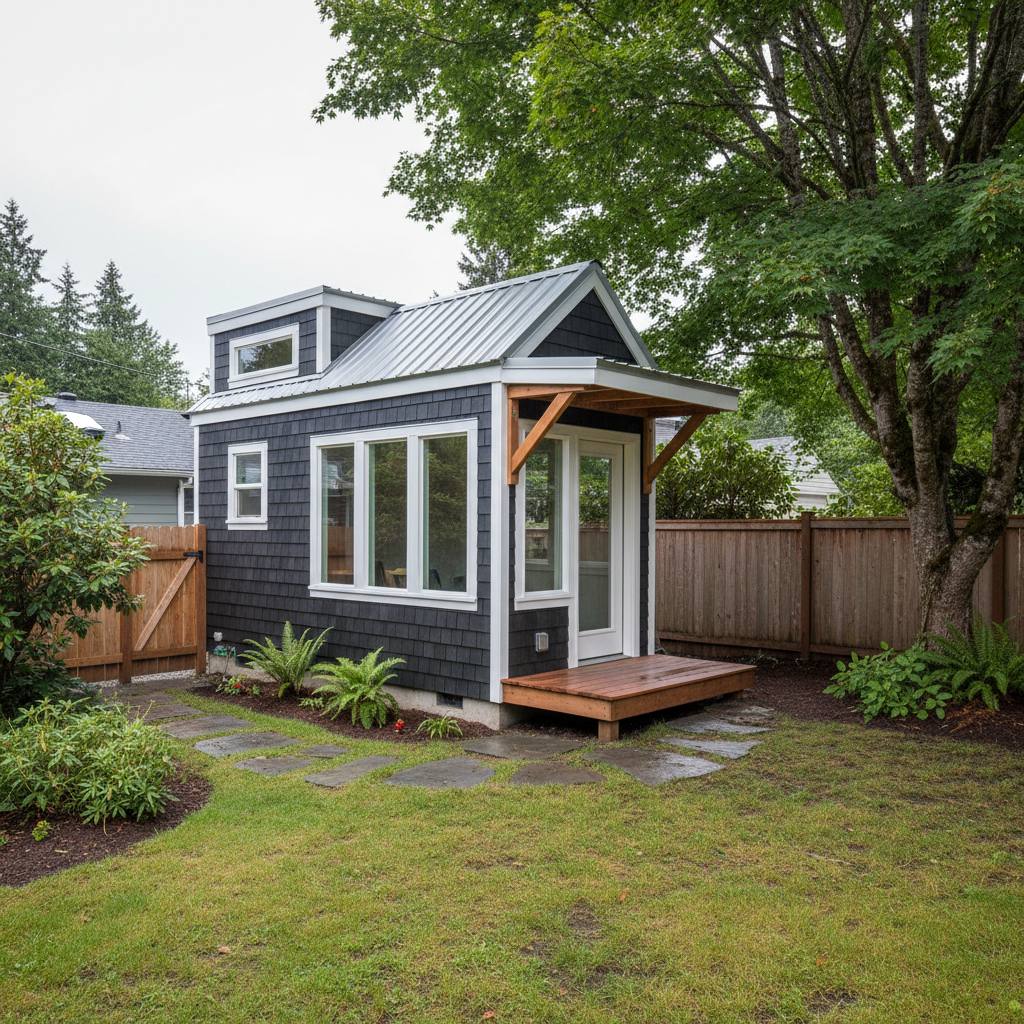
So, you're dreaming of a tiny home. Maybe it's for aging parents, or you're hoping for some rental income, or maybe you just want to simplify your life. That's a great idea, especially here in Seattle where space is always at a premium. But I've seen too many folks jump into these projects without really understanding what they're getting into. They often end up with a headache instead of a cozy new space, and who wants that? Let's talk about the biggest mistakes I see homeowners make when they're planning or hiring for a tiny home project around here.
Ignoring Seattle's Zoning & Permitting Realities
This is probably the number one mistake, and it's a huge one. Seattle's zoning laws are complex, and they're always changing. What might have been okay last year might not be today. Plus, what's allowed in Ballard could be a no-go in West Seattle. People often assume a 'tiny home' means they can just plop it down in their backyard, but that's just not true. You're likely dealing with Accessory Dwelling Unit (ADU) or Detached Accessory Dwelling Unit (DADU) regulations, and those come with specific requirements for size, setbacks, parking, and even design. You can't just build whatever you want, unfortunately. I've seen projects halted, fines issued, and even structures torn down because someone didn't do their homework on permits. Before you even think about design, get familiar with the Seattle Department of Construction & Inspections (SDCI) rules. It's boring, I know, but it will save you a ton of grief and money.
Underestimating Utility Hookups & Costs
A tiny home isn't just a shed with a bed, right? It needs power, water, and sewer. And hooking up to existing utilities isn't always as simple or cheap as you might think. If your main house's electrical panel is already maxed out, you might need an expensive upgrade. Running new water and sewer lines across your property can involve serious digging, trenching, and connecting to the city's main lines. This isn't just about the labor, either; it's about permits, inspections, and sometimes even street-use fees if you have to dig into the public right-of-way. I've seen utility costs alone blow a homeowner's budget out of the water. Get a clear estimate for all utility work from a licensed plumber and electrician early in the process. Don't let a general contractor just wave their hand and say, 'Oh, that'll be easy.' Trust me on this one.
Hiring the Wrong Contractor (or No Contractor at All)
This is where things can really go sideways. Some folks try to DIY too much, especially with the structural or utility parts, and that's a recipe for disaster and code violations. Others hire a contractor who isn't experienced with ADUs or DADUs, or worse, someone who's just looking for a quick buck. Here's what to watch for:
- Lack of ADU/DADU experience: Building a tiny home is different from building a deck or remodeling a kitchen. They need to know the specific codes for these types of structures.
- No proper licensing and insurance: Always check their Washington State contractor license. Ask for proof of insurance. If they balk, run.
- Sketchy contracts: A good contract is detailed. It outlines scope, timeline, payment schedule, and what happens if things go wrong. If it's just a handshake or a few lines on a napkin, you're asking for trouble.
- Pushing for cash payments: This is a huge red flag. It often means they're trying to avoid taxes or aren't legitimate.
- No references: Ask for references from past tiny home clients. Call them. Ask about communication, staying on budget, and problem-solving.
At Seattle Shed Builders, we specialize in these kinds of projects, and we've seen the good, the bad, and the ugly. A good contractor will guide you through the permitting process, be transparent about costs, and communicate clearly.
Forgetting About Site Preparation & Access
Seattle's terrain can be tricky. We've got hills, tight lots, and often, saturated soil, especially after a long winter. Is your backyard easily accessible for equipment? Can a concrete truck get in there? Will you need extensive excavation or a retaining wall? What about drainage? Water management is critical here. If you're building on a slope or in an area with poor drainage, you'll need to factor in extra costs for proper grading and a robust foundation. Don't assume your flat-looking yard is actually flat, or that getting materials back there will be a breeze. A site visit from an experienced builder will reveal these issues quickly.
Skimping on Design & Future-Proofing
A tiny home is a big investment, even if it's small. Don't just throw up the cheapest thing you can find. Think about insulation, window quality, and durable siding. The Pacific Northwest weather is no joke; you need something that will stand up to rain, wind, and dampness for decades. Good design isn't just about aesthetics; it's about functionality, energy efficiency, and longevity. Think about how the space will be used, how light enters, and how to maximize every square foot. A well-designed, well-built tiny home will add significant value to your property and be a joy to use. A cheap, poorly planned one will be a constant source of headaches and repair bills.
Doing your homework, asking the right questions, and partnering with experienced professionals are your best defenses against tiny home regret. It's a fantastic way to expand your living space or generate income, but you've got to go into it with your eyes wide open.