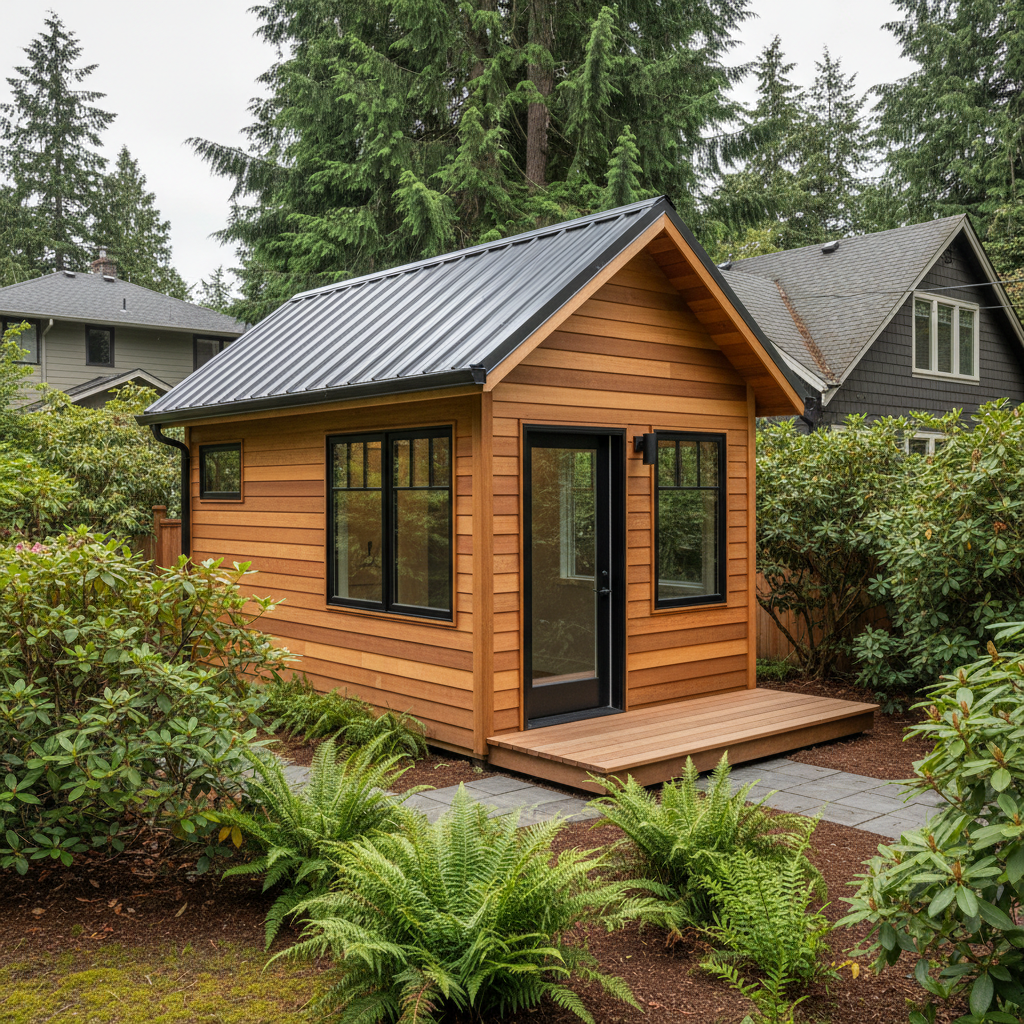
Thinking Tiny? Don't Trip Up on These Common Mistakes
So, you're dreaming of a tiny home, huh? Maybe it's an ADU for rental income, a backyard office, or a cozy guest space. Whatever your vision, it's a smart move in a city like Seattle where space is at a premium. But I've gotta tell you, I've seen a lot of folks – good people, smart people – make some pretty common blunders when they try to tackle these projects. As Seattle Shed Builders, we get calls all the time from folks who are already in over their heads. Let's talk about what to watch out for so you don't end up regretting your tiny home.
Mistake #1: Ignoring Seattle's Zoning & Permitting Process
This is probably the biggest one, and it's where most people get stuck before they even break ground. You can't just plop a structure down in your backyard, even if it's small. Seattle has specific rules for Accessory Dwelling Units (ADUs) and Detached Accessory Dwelling Units (DADUs). These rules cover everything from setbacks from property lines, maximum size, lot coverage, and even parking requirements. And they change! What was okay last year might not be okay today. I've seen homeowners design their dream tiny home, only to find out it's too big, too close to the fence, or doesn't meet the city's design review standards for their particular neighborhood. You need to check with the Seattle Department of Construction & Inspections (SDCI) early. Don't assume. Get the facts.
Mistake #2: Underestimating Site Prep & Utilities
A tiny home still needs a solid foundation, and it still needs power, water, and sewer. This isn't a glorified shed you're building. Especially here in Seattle, with our often-sloping lots and clay-rich soil, site preparation can be a much bigger deal than you anticipate. Digging trenches for utility lines, leveling the ground, and pouring a proper concrete slab or installing a robust pier foundation can add significant costs and complexity. I've seen projects stall for weeks because the homeowner didn't factor in the time and expense of bringing sewer lines from the main house to the new structure. You might need to upgrade your electrical panel, too. Don't just think about the structure itself; think about everything that has to go into and under the ground to make it functional.
Mistake #3: Skimping on Insulation & Weatherproofing
We live in Seattle. It rains. A lot. And it gets chilly. If you're building a tiny home that's meant to be lived in, even occasionally, you absolutely cannot cut corners on insulation and weatherproofing. I'm talking about proper wall, ceiling, and floor insulation, high-quality windows and doors, and a robust roofing system that can handle our Pacific Northwest downpours. I've seen DIY tiny homes that are basically glorified boxes, and they're drafty, damp, and uncomfortable. You'll spend a fortune on heating, and you'll be battling mold. Invest in good materials and proper installation from the start. Your comfort and your utility bills will thank you.
Mistake #4: Not Hiring the Right Pros (or Trying to DIY Everything)
Look, I get it. You want to save money. And a tiny home project might seem manageable enough to tackle yourself or with a buddy. But a tiny home is still a home. It involves structural integrity, electrical wiring, plumbing, and meeting building codes. Unless you're a licensed contractor with experience in all these trades, you're likely to run into problems. I've seen homeowners get halfway through a project, realize they're in over their heads, and then call us to fix their mistakes – which often costs more than if they'd hired us from the beginning. Get bids from licensed, insured contractors who specialize in small structures or ADUs. Ask for references. Look at their past work. Don't just go with the cheapest guy who says he can do it all. You're building an asset, not just a glorified dog house.
Mistake #5: Forgetting About Long-Term Maintenance
Just because it's tiny doesn't mean it's maintenance-free. Like any structure, it needs care. Gutters need cleaning, paint needs touching up, and systems need checking. If you're planning to rent it out, you need to factor in wear and tear. If it's for personal use, you still want it to last. Think about durable, low-maintenance materials upfront. For example, fiber cement siding holds up way better than untreated wood in our climate. Plan for easy access to things like your water heater or electrical panel. A little foresight here can save you headaches and expenses down the road.
Building a tiny home in Seattle can be a fantastic investment and a great way to add functional space to your property. Just make sure you go into it with your eyes wide open. Do your homework, ask lots of questions, and don't be afraid to bring in the experts. It'll save you a lot of grief and money in the long run.