Do I need a permit for my shed in Seattle?
This is probably the most common question I get, and it's a good one because the answer isn't always straightforward. Generally, if your shed is under 120 square feet and under 10 feet tall, you probably won't need a building permit from the City of Seattle. That's the sweet spot for a lot of folks just looking for extra storage or a small garden shed. But here's the kicker: even if you don't need a building permit, you might still need a site plan review or other clearances, especially if you're in an environmentally critical area, a shoreline district, or if your property has specific covenants. And if you're planning on running electricity or plumbing to it, you'll definitely need separate permits for those. My advice? Always check with the Seattle Department of Construction & Inspections (SDCI) or have your builder do it. It's better to spend an hour on the phone than get hit with a stop-work order or fines later.
How much space do you need to deliver and install a shed?
This depends a lot on how the shed is delivered. If it's a pre-built shed, we need a clear path that's at least as wide and tall as the shed itself. Think about your gate, any narrow side yards, overhead power lines, or low-hanging branches. Sometimes we can tilt a shed to get it through a tight spot, but that's not always an option. If your yard is only accessible through a narrow alley or a tiny side path, a pre-built shed might not be feasible. For those situations, we usually build on-site. That means we bring all the materials in pieces and assemble it right where it's going to stand. Even then, we need enough room to work around the shed – usually a few feet on all sides. We'll always do a site visit to figure out the best approach before we start anything.
What kind of foundation do I need for my shed?
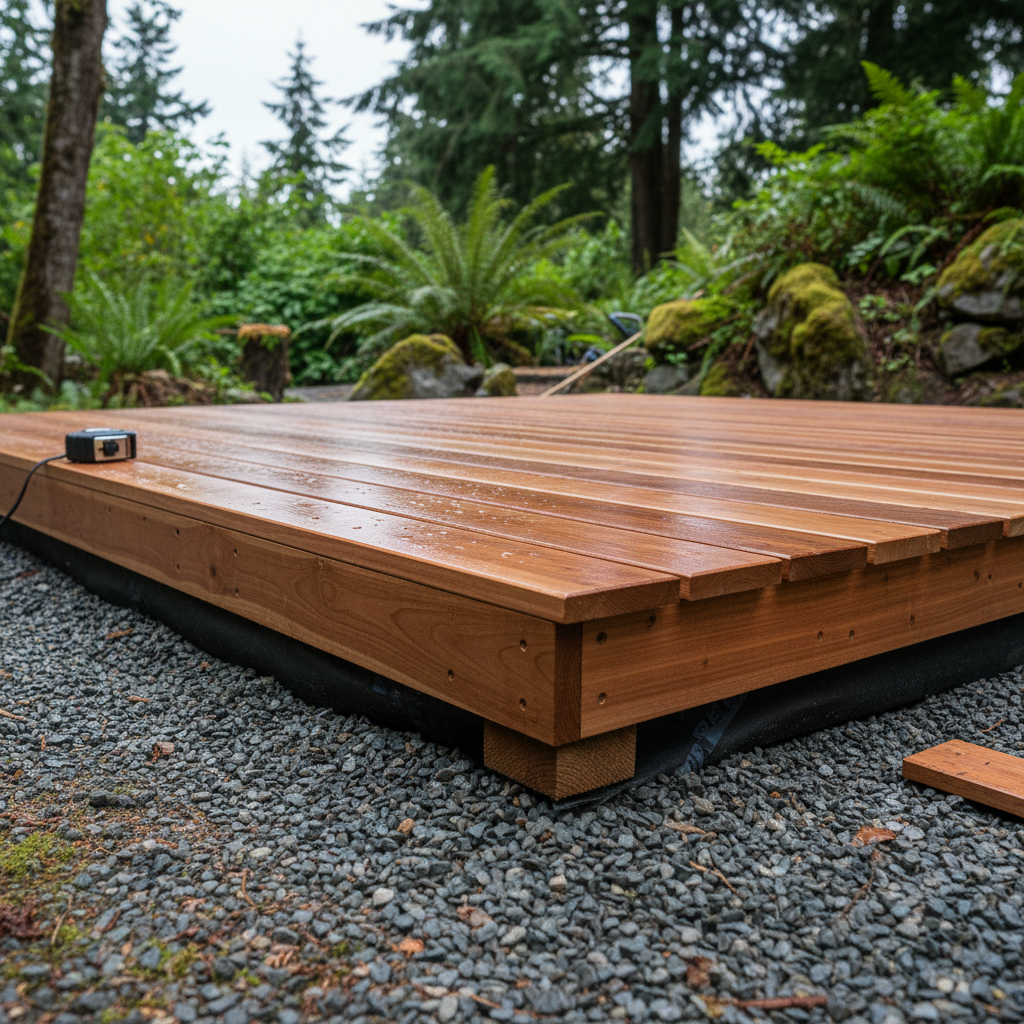
You've got a few options here, and the best one depends on the shed's size, its intended use, and your budget. For smaller storage sheds, a gravel base with pressure-treated skids or concrete blocks can work well. It allows for drainage and keeps the wood off the ground, which is crucial in our damp Seattle climate. For larger sheds, especially if you're going to be spending a lot of time in it or storing heavy equipment, a concrete slab is often the way to go. It provides a super stable, level surface. We've also done pier foundations, which are good for sloping yards or if you want to elevate the shed. Whatever you choose, the key is a level, well-drained base. You don't want your shed sinking or rotting from the bottom up.
How long does shed installation take?
Again, this varies. If we're dropping off a pre-built shed and the site is prepped, it can be as quick as an hour or two to set it in place and level it. If we're building on-site, a typical 8x10 or 10x12 shed might take one to three days, depending on the complexity, weather, and the crew size. Larger, more custom sheds with windows, doors, or specific interior finishes can obviously take longer, sometimes up to a week or more. We always give you an estimated timeline upfront, and we do our best to stick to it. We know you're eager to use your new space!
Can you install a shed on a sloped yard?
Absolutely, we can. Seattle's got plenty of hills and sloped yards, especially in neighborhoods like Queen Anne or West Seattle, so we're used to it. It just means a bit more prep work for the foundation. We can either grade the area to create a level pad, or we can use a pier foundation system that allows us to level the shed even if the ground underneath isn't flat. Sometimes, we'll build a retaining wall to create a level spot. It'll add to the cost and time, but it's definitely doable. We'll assess your specific slope during the site visit and recommend the best, most stable solution.
What about utilities? Can you connect electricity or plumbing?
Seattle Shed Builders focuses on the structure itself. We'll build the shed, install doors, windows, and any interior framing you need. When it comes to connecting electricity, plumbing, or even data lines, those are specialized trades. We can rough in conduit or make openings for future connections, but you'll need to hire a licensed electrician or plumber for the actual hook-ups. It's important for safety and to ensure everything meets code. We can often recommend trusted local professionals we've worked with before if you need a referral.
Getting a new shed should be exciting, not a headache. The more you know upfront, the smoother everything goes. Don't hesitate to ask us anything else that comes to mind – that's what we're here for.