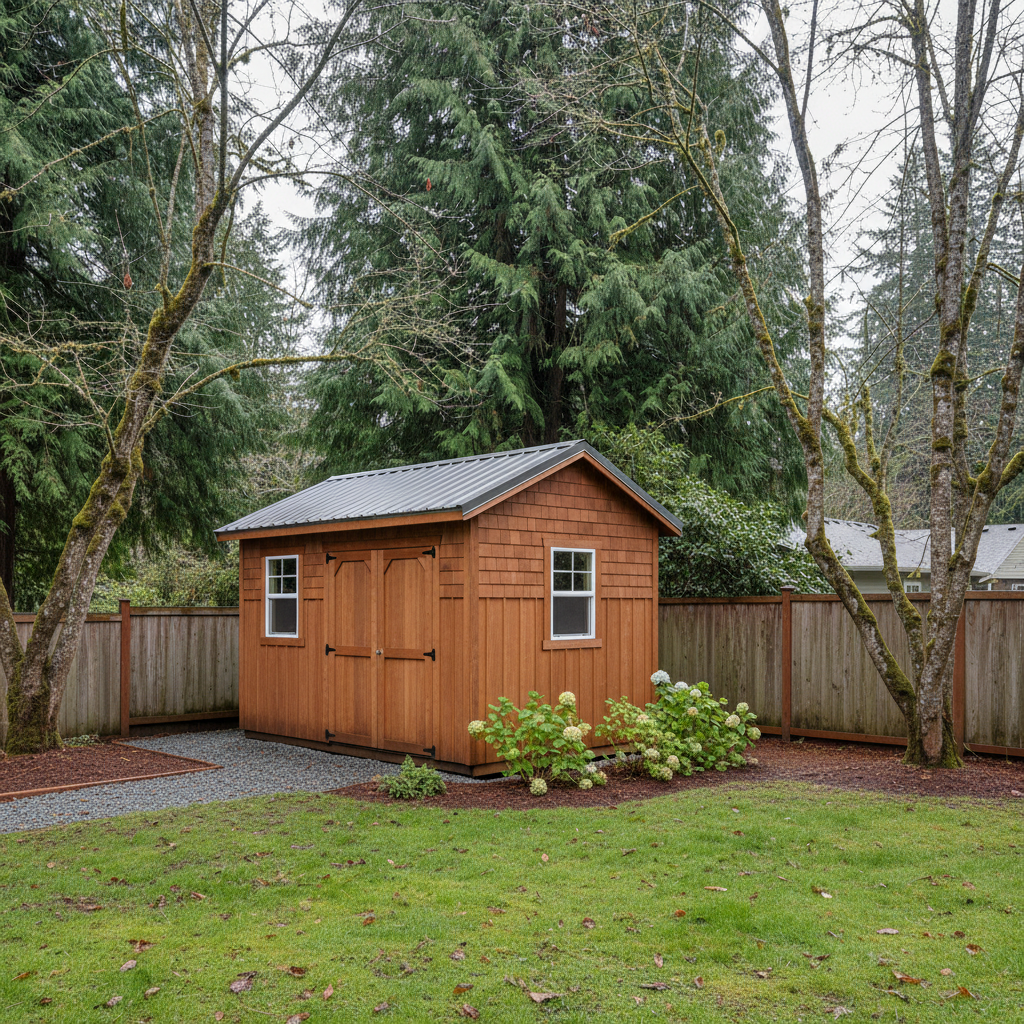
Alright, let us talk about sheds in Seattle. If you have one, or you are thinking about getting one, you already know our climate is not like most places. We do not get extreme cold or scorching heat. What we do get is a whole lot of damp weather. That constant moisture is the biggest challenge for any outdoor structure around here. Your shed is no exception to this. As Seattle Shed Builders, we see it all. Our team is here to tell you how to keep your investment solid, season after season.
Timing Your Shed Work in the Emerald City
You might think summer is the only time to get anything done outside. While it is definitely easier, it is not the only time. We have a pretty short dry season in Seattle. This usually runs from July through October. Even then, you cannot always count on it.
- Summer (July-September): This is prime time for major projects or building a new shed in Seattle. Less rain means materials stay dry during construction. Paint or stains cure properly during these months. If you are planning a big repair or a new shed build, aim for these months. However, everyone else has the same idea. Scheduling a Seattle Shed Builder can be tighter then.
- Fall (October-November): As the rains start up again, this is when you really need to focus on shed maintenance in Seattle. Clearing gutters, checking for leaks, and making sure everything is sealed up tight before winter hits is important. Do not wait until it is pouring every day.
- Winter (December-February): Building a shed in winter is not impossible in Seattle. Sometimes it means less competition for a Seattle Shed Builder's time. You have to be smart about it. We are talking about managing constant drizzle, freezing rain, and high winds. Any exposed wood needs protection. Foundations also need careful attention to drainage.
- Spring (March-June): This is a good time for shed inspections and minor repairs in Seattle. After a long, wet winter, you will want to check for any damage that might have occurred. It is also a busy time for Seattle Shed Builders. People start thinking about their yards again.
Weather Conditions That Affect Your Shed
It is not just the rain, though we get plenty of it in Seattle. Seattle averages over 150 rainy days a year. It is often a persistent drizzle rather than heavy downpours. This constant dampness is what really challenges outdoor structures. Here is what your shed is up against in Seattle:
- Moisture, Moisture, Moisture: This is the big one for Seattle sheds. Prolonged exposure to moisture leads to mold, mildew, and rot. It can even attract pests. Wood siding, if not properly treated and maintained, will suffer.
- Temperature Fluctuations: Even though our temperature swings are not extreme, the changes between cooler nights and milder days cause materials to expand and contract. Over time, this can lead to cracks and weakened seams in your shed's structure.
- Wind: We get our share of windstorms in Seattle. This happens especially in winter. Strong winds can drive moisture underneath siding and roofing. If materials are already weakened, they can cause significant damage to your shed.
- UV Rays: Even with all the clouds, the sun's UV rays can still cause fading and weakening of surface layers on your shed over time.
Protecting Your Shed Investment Year-Round
Keeping your shed in good shape is not a one-and-done deal in Seattle. It is about consistent, seasonal attention. Think of it like taking care of your house. A little preventative maintenance goes a long way for your shed.
Spring Cleaning & Inspection (March-May)
After the long, wet winter, give your shed a thorough once-over. Look for any signs of damage in Seattle.
- Check for Leaks: Inspect the roof, walls, windows, and doors for any cracks, gaps, or missing shingles. Water stains on the interior are a dead giveaway for a shed leak.
- Clean the Exterior: Wash off any accumulated dirt, moss, or mildew from your Seattle shed. A mild detergent and a soft brush work well. For tougher spots, a low-pressure washer can do the trick.
- Inspect Foundation: Make sure your shed is still level. There should be no signs of shifting or settling. If your shed is on skids, check that they are still doing their job. This means keeping the floor off the damp ground.
- Ventilation Check: Make sure vents are clear and unobstructed. Good airflow is important in our Seattle climate. This helps prevent condensation and mold inside your shed.
Summer Maintenance & Sealing (June-August)
Take advantage of our drier months to seal and protect your shed in Seattle.
- Seal and Paint: If your shed is wood, apply a fresh coat of high-quality exterior paint or stain every few years. This is your shed's main defense against moisture and UV damage. Pay special attention to trim around doors and windows.
- Gutter Cleaning: If your shed has gutters, keep them clear of debris. Clogged gutters can cause water to overflow. This can pool around the foundation of your shed.
- Trim Vegetation: Keep trees and bushes trimmed back from your shed in Seattle. This improves airflow. It also prevents moisture from being held against the siding.
Fall Prep for Winter (September-November)
Get your shed ready for the wet season ahead in Seattle.
- Final Leak Check: Before the heavy rains really kick in, do one last check for any potential entry points for water on your shed.
- Clear Debris: Remove leaves and branches from the roof and around the base of the shed. This prevents moisture retention. It also prevents potential pest hiding spots.
- Pest Control: Seal up any small cracks or holes. These could be an invitation for critters looking for winter shelter in your shed.
Winter Monitoring (December-February)
While you might not be doing much active maintenance, keep an eye on things in Seattle.
- Snow and Ice: If we get snow, gently remove heavy accumulations from the roof of your shed. This helps prevent undue stress. Watch for ice dams if temperatures fluctuate.
- Internal Condensation: If you notice a lot of condensation inside your shed, check your ventilation. A sealed shed in the PNW is often a dead shed. This is because it traps moisture inside.
Look, building a shed that lasts in Seattle's unique climate takes a specific approach. That is why at Seattle Shed Builders, we focus on things like elevated foundations with pressure-treated skids. We also focus on proper roofing systems and smart ventilation. We know what works here in Seattle. By following these seasonal tips, you are not just maintaining a shed. You are protecting a valuable part of your home. You are also making sure it serves you well for years to come.