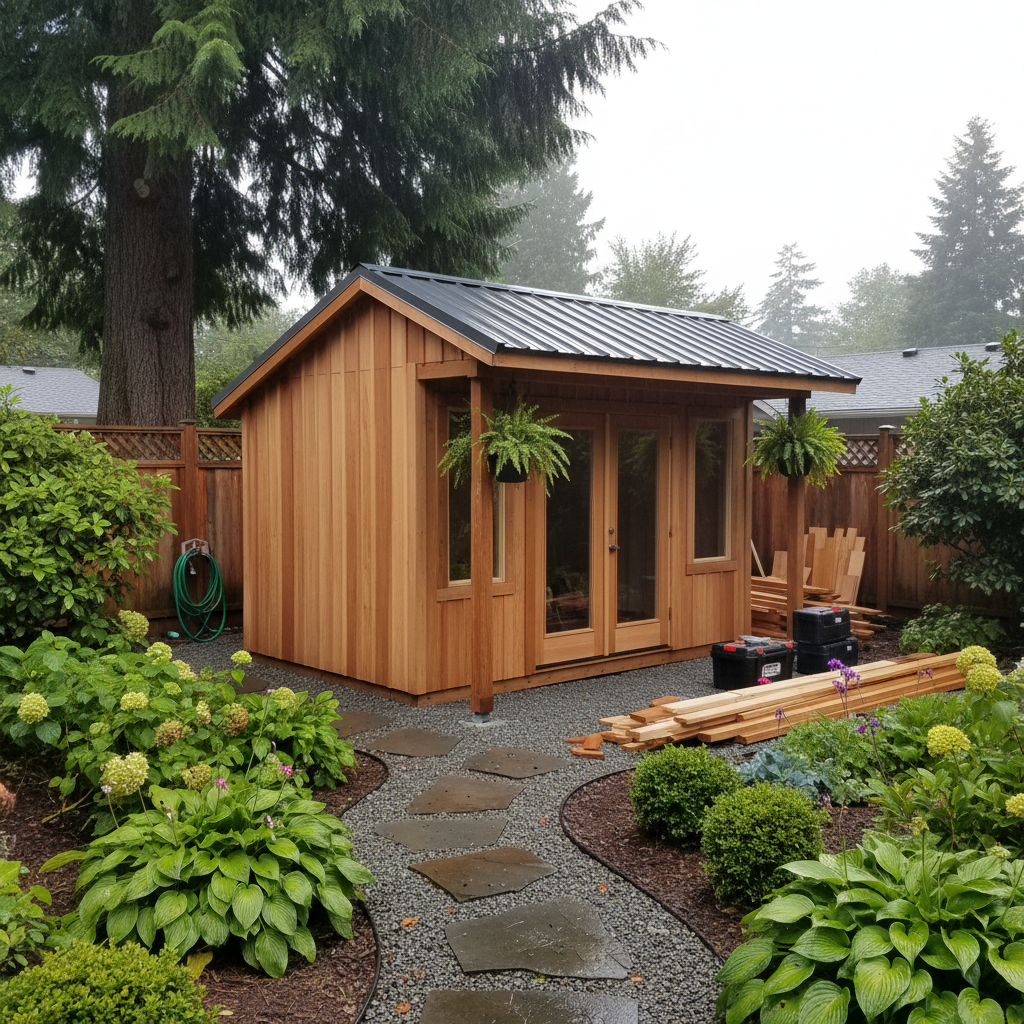
Thinking about adding a shed to your Seattle property? That's a smart move. Whether you need extra storage, a dedicated workshop, or even a quiet backyard office, a well-built shed really adds value. But here in the Pacific Northwest, putting up any outdoor structure means you've got to seriously consider our weather. It's not just about picking a design, you know; it's also about figuring out the best time to build and how to keep it solid once it's standing.
When's the Best Time to Build a Shed in Seattle?
This is probably the question I hear most often. Everyone wants to pinpoint the 'best' time. Honestly, there isn't one perfect answer, but certain windows are definitely better than others. You might automatically think summer, right? Less rain, more sun. And you'd be mostly on the right track. July, August, and early September are usually our driest months. The ground's firmer, which is a huge plus for foundations, and you won't stress as much about your materials getting soaked during construction.
Here's the catch, though: everyone else thinks summer too. That means contractors, like us at Seattle Shed Builders, get booked up super fast. If you wait until June to give us a call, you might find yourself waiting until fall to actually get started. So, if a summer build is what you're hoping for, you really need to start planning and getting quotes in late winter or early spring. February, March, April — that's when you should be making those calls, trust me.
What about the other seasons? Fall can be pretty decent, especially early fall. We often get those beautiful, crisp days. But once the real rains kick in, usually around late October or November, things get tricky. Winter? Forget about it for new construction unless it's an absolute emergency or a very small, pre-fab kit. The ground is just too saturated, and you're practically inviting trouble with mud, frozen earth, and wet materials. Spring can be a bit of a mixed bag. We'll get those sunny breaks, sure, but also plenty of rain. It's doable, but you'll definitely need a builder who's got experience working through our famously unpredictable spring weather.
How Seattle Weather Impacts Shed Construction
Our climate isn't just 'rainy'; it's got its own quirks. We get a lot of drizzle and that persistent, light rain, not always huge downpours. That constant dampness is what we're always fighting against. Here's what that means for your shed build:
- Foundations: Our clay-heavy soils, especially in spots like West Seattle or Beacon Hill, can turn really soupy when it rains. Trying to dig footings in mud is a total pain, and you absolutely need to make sure the base is stable before we build on it. Good drainage around the site is crucial, even before we start anything.
- Materials: Wood, especially untreated lumber, soaks up moisture like a sponge. If your framing gets too wet before it's enclosed, you could end up with warping, swelling, and even mold issues down the road. We use tarps, work quickly, and schedule smartly to keep exposure to a minimum.
- Adhesives & Sealants: Many glues, caulks, and paints need specific temperature and humidity ranges to cure right. Trying to rush things in cold, damp weather just means you'll get a less durable finish.
- Worker Comfort & Safety: Let's be honest, nobody enjoys working in a downpour. It slows everything down, makes conditions slippery, and can affect the quality of the work. We're tough, but we're also smart about when and how we get things done.
Protecting Your Shed Investment Year-Round
Once your shed is up, the fight against the elements isn't over. You've made an investment, and you want it to last, right? Here's what you need to keep an eye on:
- Gutters and Downspouts: These are non-negotiable in Seattle. You absolutely need to get that rainwater off the roof and away from the foundation. Make sure they're clear of leaves and debris, especially after fall. Clogged gutters can lead to water backing up under your shingles or splashing back onto the siding, causing rot.
- Siding and Trim: Take a good look at your siding every year. Check for cracks, peeling paint, or any signs of rot, particularly on the north side of the shed where it tends to stay damp longer. Re-caulk around windows and doors as needed. A fresh coat of paint or stain every few years isn't just about looks; it's your main defense against moisture.
- Ventilation: This is huge. Good airflow stops condensation and mold from building up inside your shed. Make sure any vents aren't blocked. If you're storing anything sensitive to humidity, consider tossing in a small dehumidifier during our wettest months.
- Foundation Check: Walk around your shed a couple of times a year. Look for any signs of settling, erosion around the base, or standing water. Make sure the ground slopes away from the shed, not towards it.
- Roofing: Check your roof for missing or damaged shingles, especially after a windy storm. Moss is a super common problem around here; gently remove it before it gets out of hand and starts lifting your shingles.
Building a shed in Seattle means being smart about our climate. Plan ahead, work with experienced builders who truly understand the local conditions, and then take good care of your shed once it's built. Do all that, and your new shed will serve you well for many years to come.