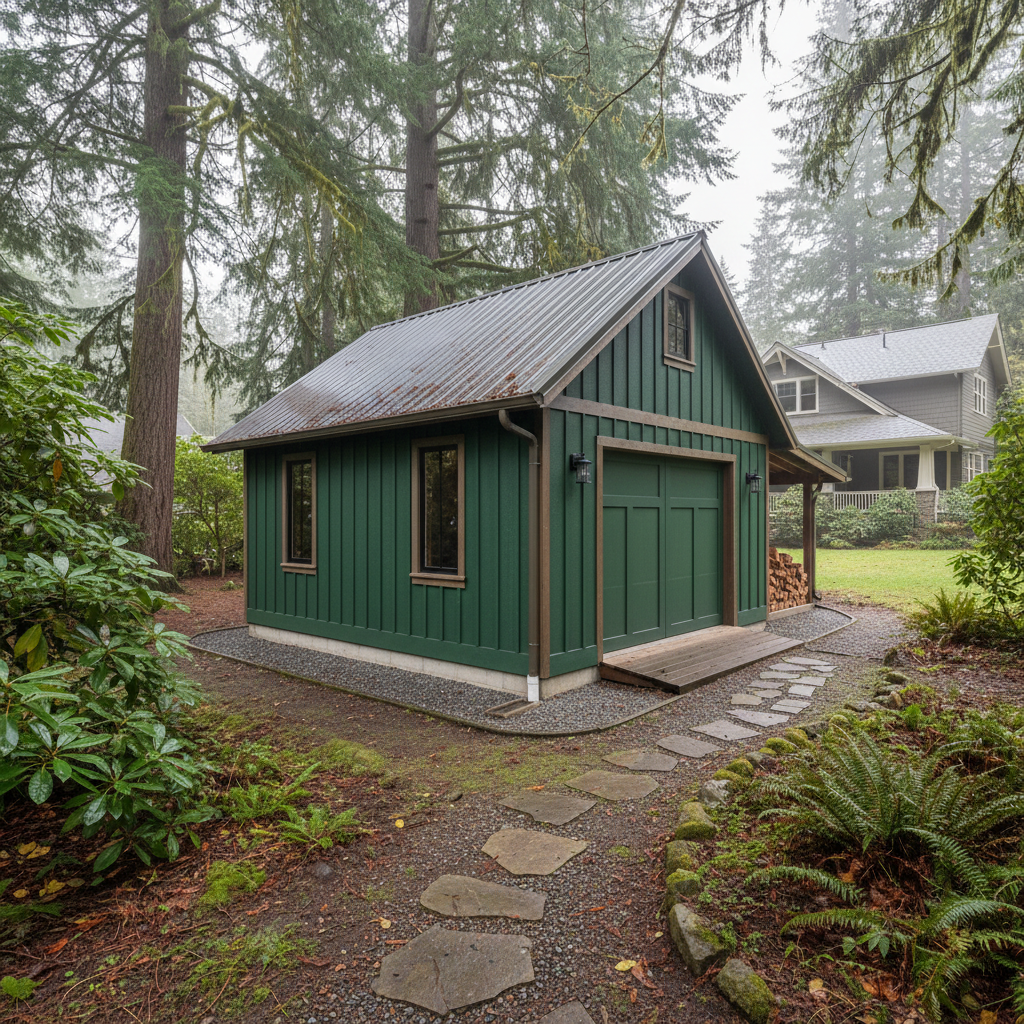
You've got a shed or a garage in your yard, and you want it to last. That's smart. Here in Seattle, our weather isn't exactly forgiving. It's not just the rain; it's the constant damp, the freeze-thaw cycles, and the moss that loves to make a home on everything. So, let's talk about keeping your outdoor structures in top shape, no matter the season.
When's the Best Time to Build or Repair?
People always ask me, "When's the best time to build a new shed or do major repairs on my garage?" My answer is usually, "Whenever it's dry." That's a bit of a joke, but there's truth to it. Ideally, you want to aim for late spring through early fall. Think June, July, August, maybe even September if we get a good stretch.
- Spring (April-May): This can be a decent time, but you're still playing roulette with the rain. If you're pouring a concrete slab for a new garage, you need several days of dry weather for proper curing. For smaller shed projects, you might get away with it, but be ready for delays.
- Summer (June-August): This is prime time. Less rain, more consistent temperatures. Materials handle better, paint dries faster, and you're not battling the elements. If you're planning a big project, get it on the books for these months.
- Fall (September-November): Early fall can still be good, but once the real Seattle rain starts in October, you're looking at a slower, more challenging process. Everything takes longer to dry, and you're fighting moisture at every turn.
- Winter (December-March): Unless it's an emergency repair, I generally advise against major outdoor construction during winter. The cold and constant damp make it tough on materials and workers. Plus, concrete work is a non-starter unless you're taking extreme, expensive measures to keep it warm and dry.
Weather Conditions That Affect the Work
It's not just rain, believe it or not. Wind can be a real pain when you're framing or putting up siding. A sudden gust can turn a sheet of plywood into a sail, and that's dangerous. Then there's temperature. Extreme cold makes wood brittle, and some adhesives or sealants won't cure properly. Extreme heat, which we do get occasionally now, can warp materials or cause paint to dry too fast, leading to poor adhesion.
The biggest one, though, is moisture. We're talking about the ground, the air, and the materials themselves. If you're building on ground that's constantly saturated, like some of the clay soils we see in areas like West Seattle, you've got to think about drainage from day one. You don't want your new structure sitting in a puddle. For existing structures, that constant dampness is what leads to rot, mold, and moss growth if you're not vigilant.
Year-Round Protection for Your Investment
Alright, so you've got your shed or garage. Now, how do you keep it from turning into a moss-covered relic in five years? It's all about proactive maintenance. Think of it like tuning up your car; a little bit regularly saves you a lot of headache later.
Spring Check-Up (April-May)
- Clean Gutters: This is a big one. Clogged gutters mean water overflowing onto your siding or pooling around the foundation. Get those leaves and gunk out.
- Inspect for Winter Damage: Look for loose shingles, cracked caulk, or any signs of water intrusion. Pay attention to trim boards, especially at the bottom where splash-back can cause rot.
- Wash Siding: A gentle power wash can remove mildew and dirt. Be careful not to use too high a pressure, or you'll damage the siding.
Summer Maintenance (June-August)
- Seal and Paint: If your shed or garage needs a fresh coat of paint or stain, summer is the time to do it. Good quality exterior paint is your first line of defense against our wet winters.
- Check Doors and Windows: Make sure seals are intact. Lubricate hinges and tracks on garage doors.
- Trim Vegetation: Keep bushes and trees trimmed back from the structure. Air circulation is key to preventing moisture buildup and moss.
Fall Prep (September-November)
- Another Gutter Clean: Before the heavy rains start, give those gutters another thorough cleaning.
- Inspect Roof: Look for any missing or damaged shingles. Even a small crack can lead to a big leak over a wet winter.
- Check Foundation and Drainage: Make sure water is draining away from the foundation. If you see pooling, you might need to add some gravel or improve grading.
Winter Watch (December-March)
- Monitor for Leaks: After heavy rain or snow, check inside for any signs of water. Catching a small leak early can save you from major repairs.
- Clear Snow (if any): While rare, if we get heavy snow, clear it off the roof to prevent excessive weight and potential ice dams.
- Ventilation: If your shed or garage is sealed up tight, consider adding some ventilation to prevent condensation buildup, which can lead to mold and rot. Even just opening a window on a dry, cool day can help.
It might seem like a lot, but most of these are quick jobs. A little bit of attention throughout the year will keep your shed or garage, whether it's a simple storage unit or a full-blown workshop from Seattle Shed Builders, standing strong and looking good for decades. You built it to last; now help it do its job.