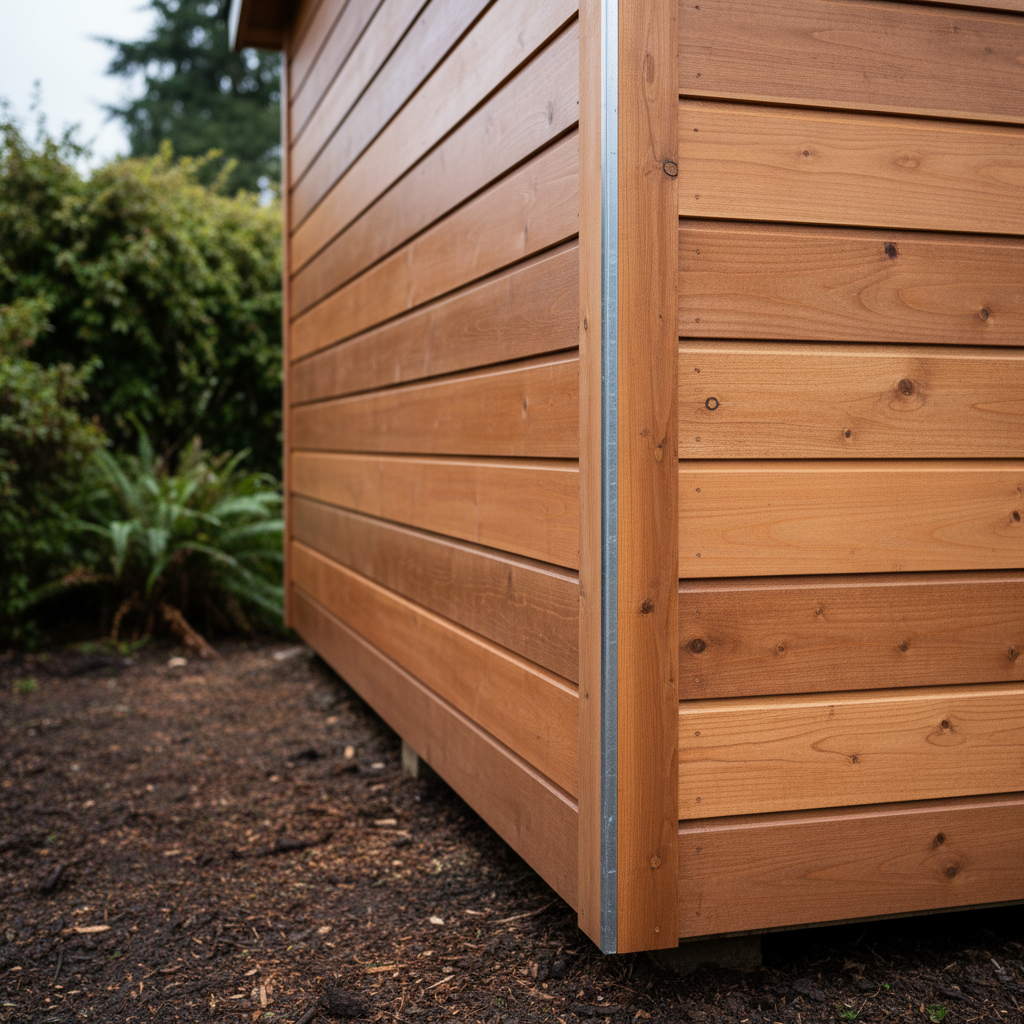
Alright, let's talk garages. I've been building these things around Seattle for years, and you wouldn't believe some of the questions I get. That's a good thing, though! It means you're thinking things through, and that's exactly what you should be doing before you break ground. So, I figured I'd put together an honest FAQ based on what I hear most often. No fluff, just the straight goods.
Do I even need a permit for a new garage in Seattle?
Absolutely, you do. Unless you're building something tiny, like a glorified shed that’s under 120 square feet and not attached to anything, you're going to need permits. And for a garage, that's definitely the case. You're talking about a structure that's going to have a foundation, walls, a roof, and possibly electrical. The City of Seattle Department of Construction & Inspections (SDCI) has rules for all of that. Don't try to skirt around it; it'll just cause you headaches down the line. We're talking fines, stop-work orders, or even having to tear it down if you get caught. It's not worth the risk. A good contractor will handle the permitting process for you, or at least guide you through it.
How much does a new garage really cost in Seattle?
This is probably the number one question, and it's also the hardest to give a single answer to. It's like asking how much a car costs – depends on the car, right? For a detached, standard two-car garage in Seattle, you're generally looking at a range from $40,000 to upwards of $80,000, sometimes even more. That's a big spread, I know. What drives the cost? Size, materials (do you want basic siding or something that matches your house perfectly?), foundation type (especially important with our clay soils here in Seattle), electrical work, insulation, custom features like a workshop bench or extra windows, and site prep. If your lot needs a lot of grading or has tricky access, that adds to it. Plus, Seattle labor and material costs are higher than in many other parts of the country. Get a detailed quote, not just a ballpark figure.
What's the deal with foundation requirements here?
Seattle's terrain and soil can be a real mixed bag. You might have solid ground in one spot and then hit a patch of soft, silty clay just a few feet over. This means your foundation isn't a one-size-fits-all situation. Most garages will need a concrete slab foundation, but the depth and reinforcement will depend on soil tests. If you're on a slope, or if the soil isn't stable, you might need a more robust footing system, maybe even piers. We've built garages in areas like West Seattle where the ground can be pretty shifty, and you've got to account for that. You want a foundation that's going to last, not one that's going to crack and settle in a few years. It's not the sexiest part of the build, but it's arguably the most important.
Should I build an attached or detached garage?
Both have their pros and cons. An attached garage is super convenient, especially when it's raining (which, let's be honest, is a lot here). You just walk right into your house. It can also be cheaper to build because you're using one of your existing house walls. But, it can also limit design options for your house, and there are stricter fire codes to consider between the garage and living space. A detached garage gives you more flexibility in terms of placement and size, and you don't have to worry about car fumes or noise directly impacting your living area. Plus, if you're thinking about a workshop or a future ADU above it, a detached structure makes more sense. It really comes down to your property layout, your budget, and what you plan to use the garage for.
Can I put an ADU (Accessory Dwelling Unit) above my new garage?
Yes, you absolutely can, and it's a popular option in Seattle right now. The city encourages ADUs for increasing housing density. But, it adds a whole new layer of complexity to the project. You'll need to meet specific zoning and building codes for habitable space, which are much stricter than for just a garage. This means more robust framing, insulation, plumbing, electrical, separate entrances, and often a different foundation. It's essentially building a small apartment. The cost will jump significantly, but it can be a great way to add rental income or space for family. Make sure your contractor has experience with ADUs, not just garages. It's a different beast entirely.
What about insulation and heating for a garage in Seattle?
You might think,